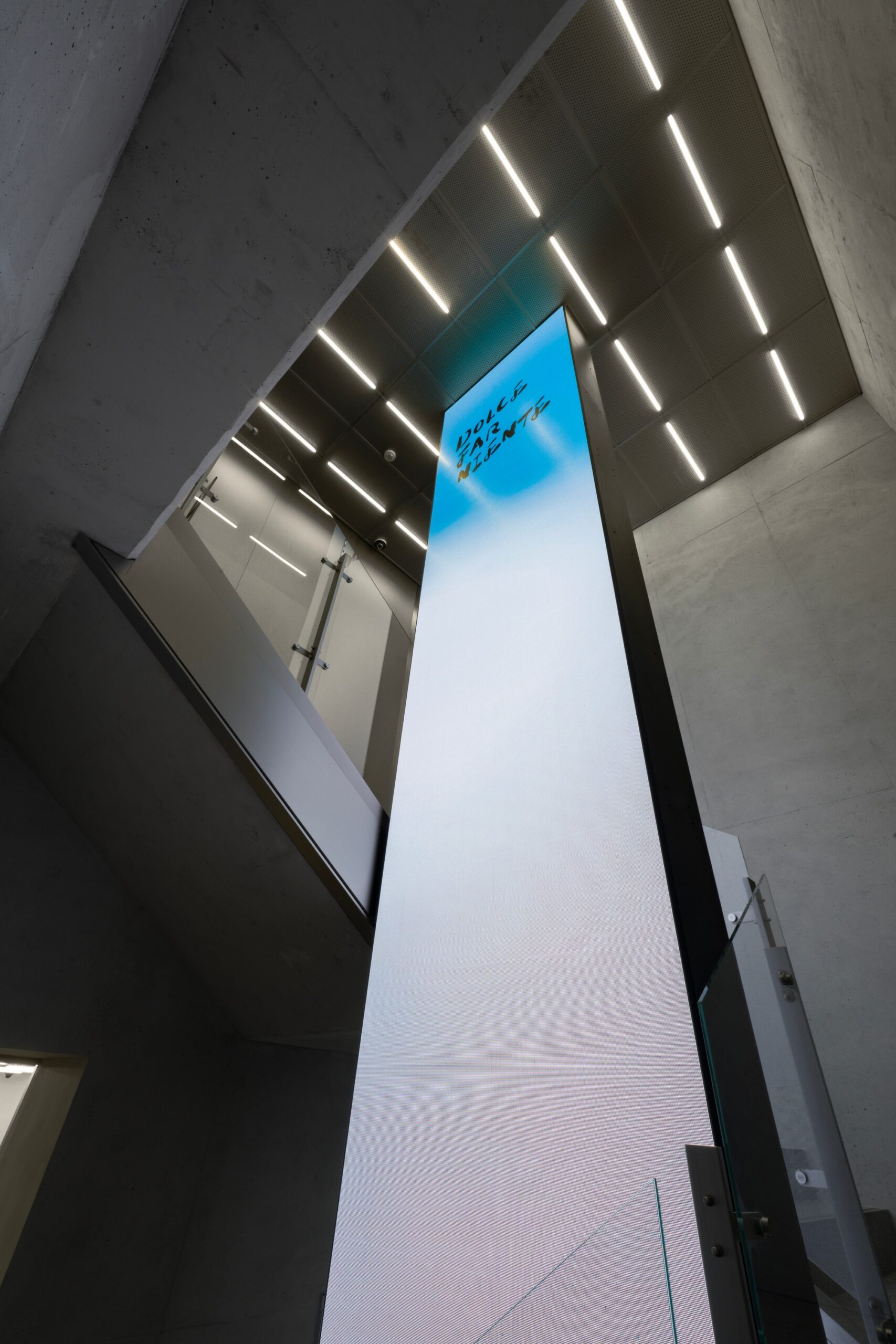
Dolce Far Niente
《Dolce Far Niente》는 ‘아무것도 하지 않음’이 지닌 고요한 힘을 주제로 전개되는 그룹 전시이다. ‘아무것도 하지 않는 달콤함 (the sweetness of doing nothing)’이라는 이탈리아의 개념에서 제목을 차용한 이번 전시는 멈춤 (stillness)을 무기력함이나 비활동의 상태가 아닌, 감각과 인식이 응축된 현존으로 재정의한다. 이는 생산성, 속도, 효율성이 끊임없이 요구되는 동시대 조건에 저항하는 하나의 적극적인 태도이기도 하다.
회화, 사진, 조각, 영상, 설치 작업에 이르기까지 참여 작가들은 우리가 흔히 지나치는 순간들—행위와 행위 사이의 쉼, 목적 없는 시간, 몽상에 잠긴 순간, 말없이 함께 머무는 친밀한 시간—에 주목한다. 햇살이 스며든 공간, 멈춰 선 몸짓, 느릿한 일상의 장면은 극적인 연출이 아닌 사유의 장소로 드러난다. 이 작품들은 관객에게 감탄을 요구하거나 설명하려 하지 않으며, 대신 머무르며 바라보는 시간 속에서 서서히 의미를 발견하도록 초대한다.
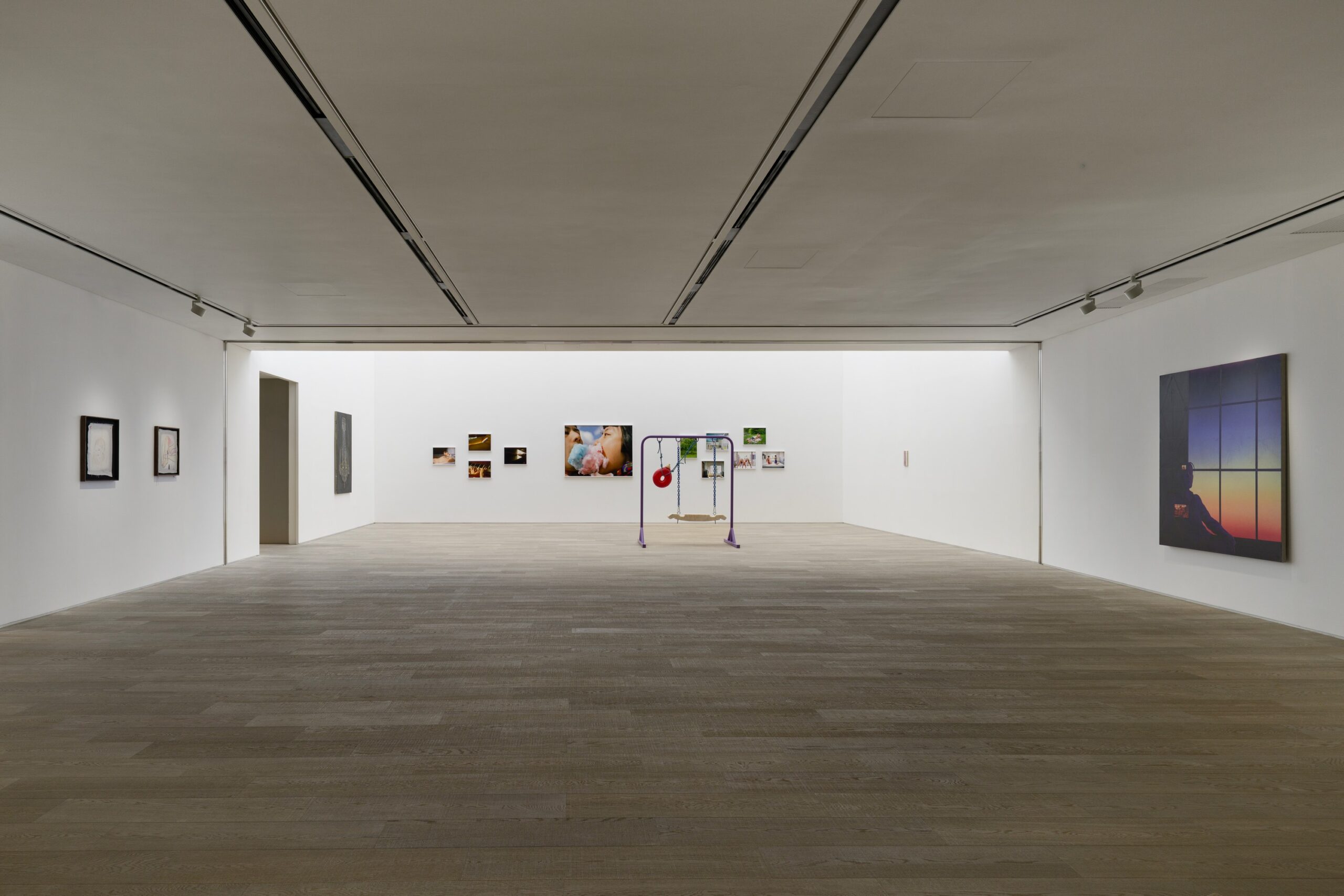
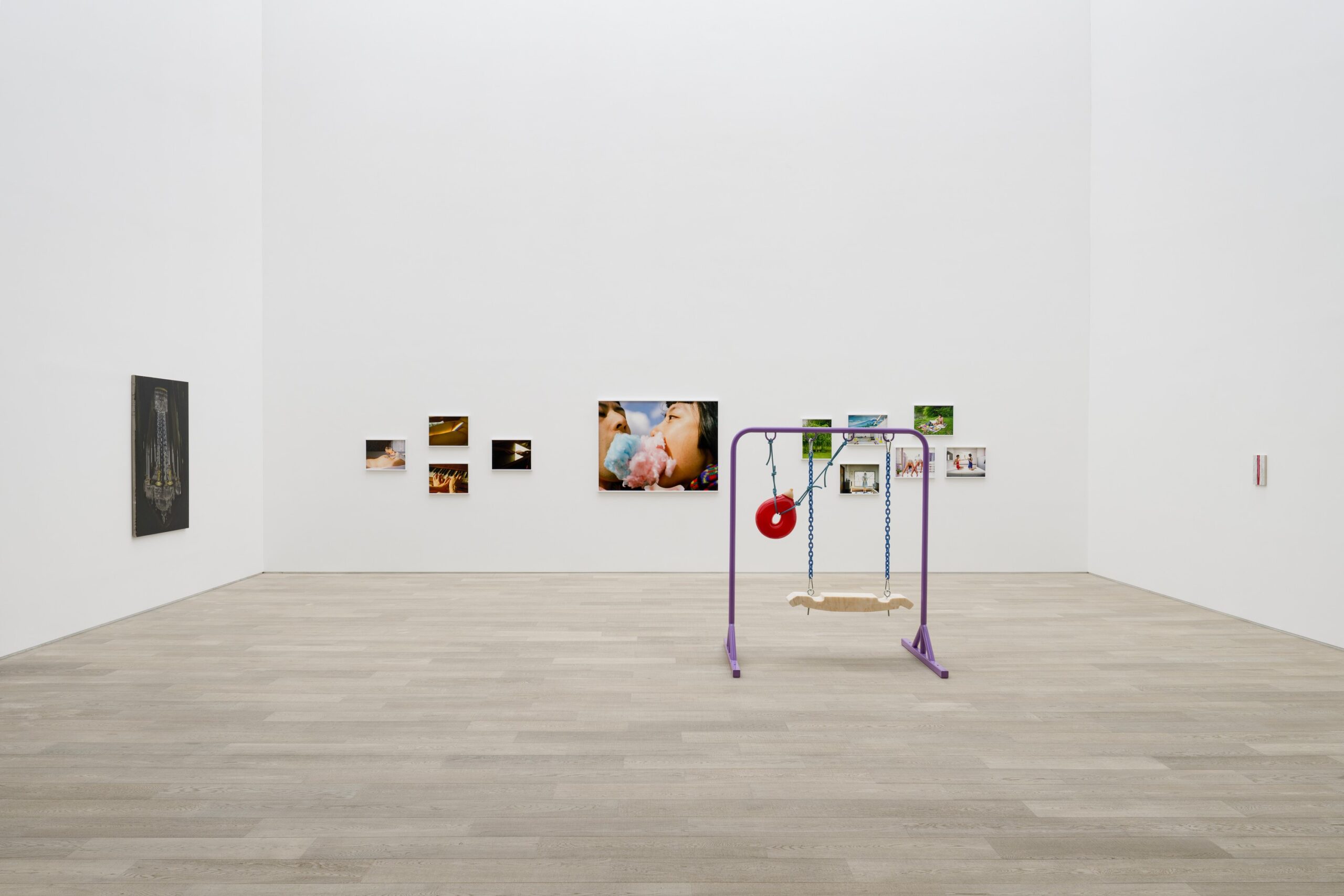
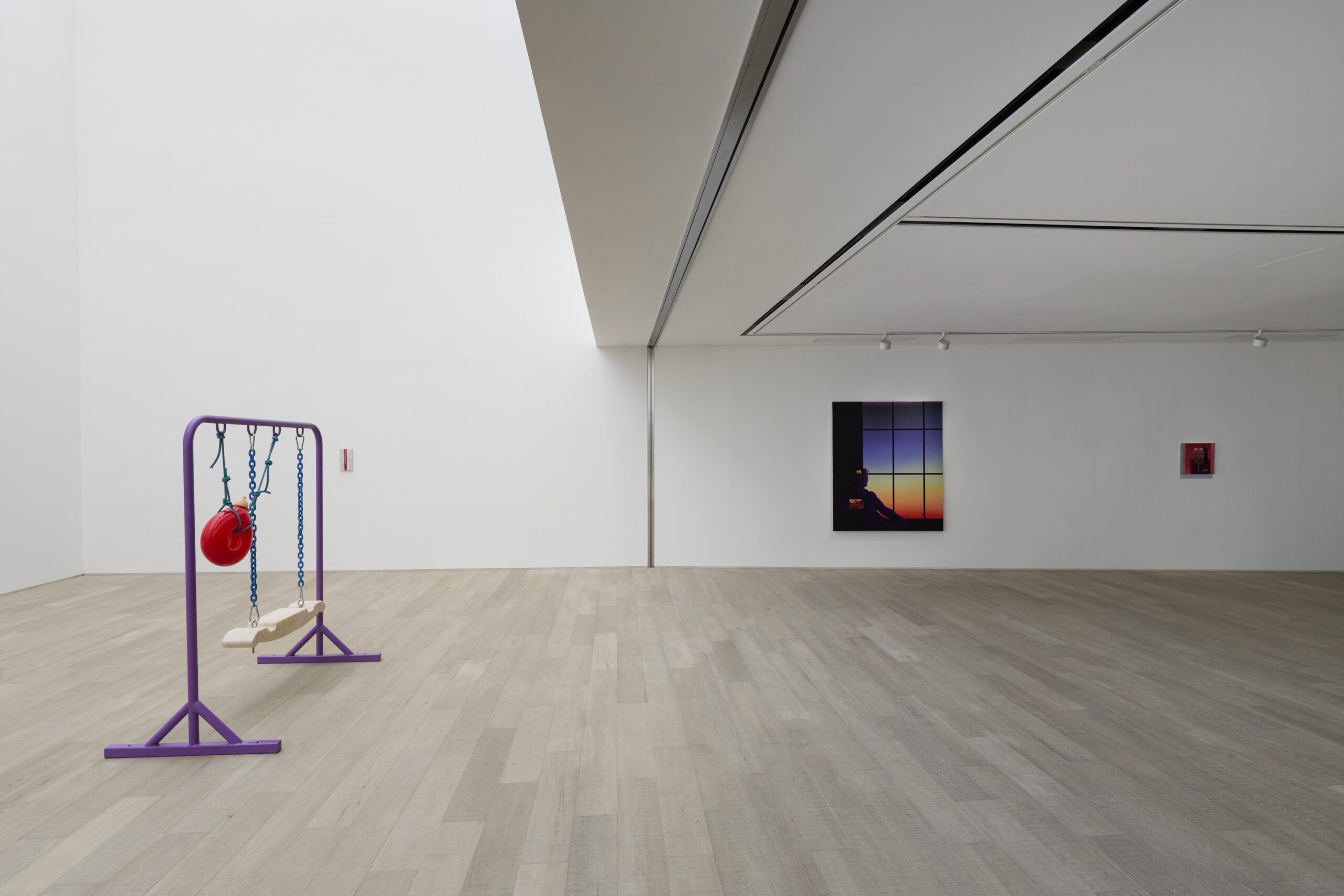
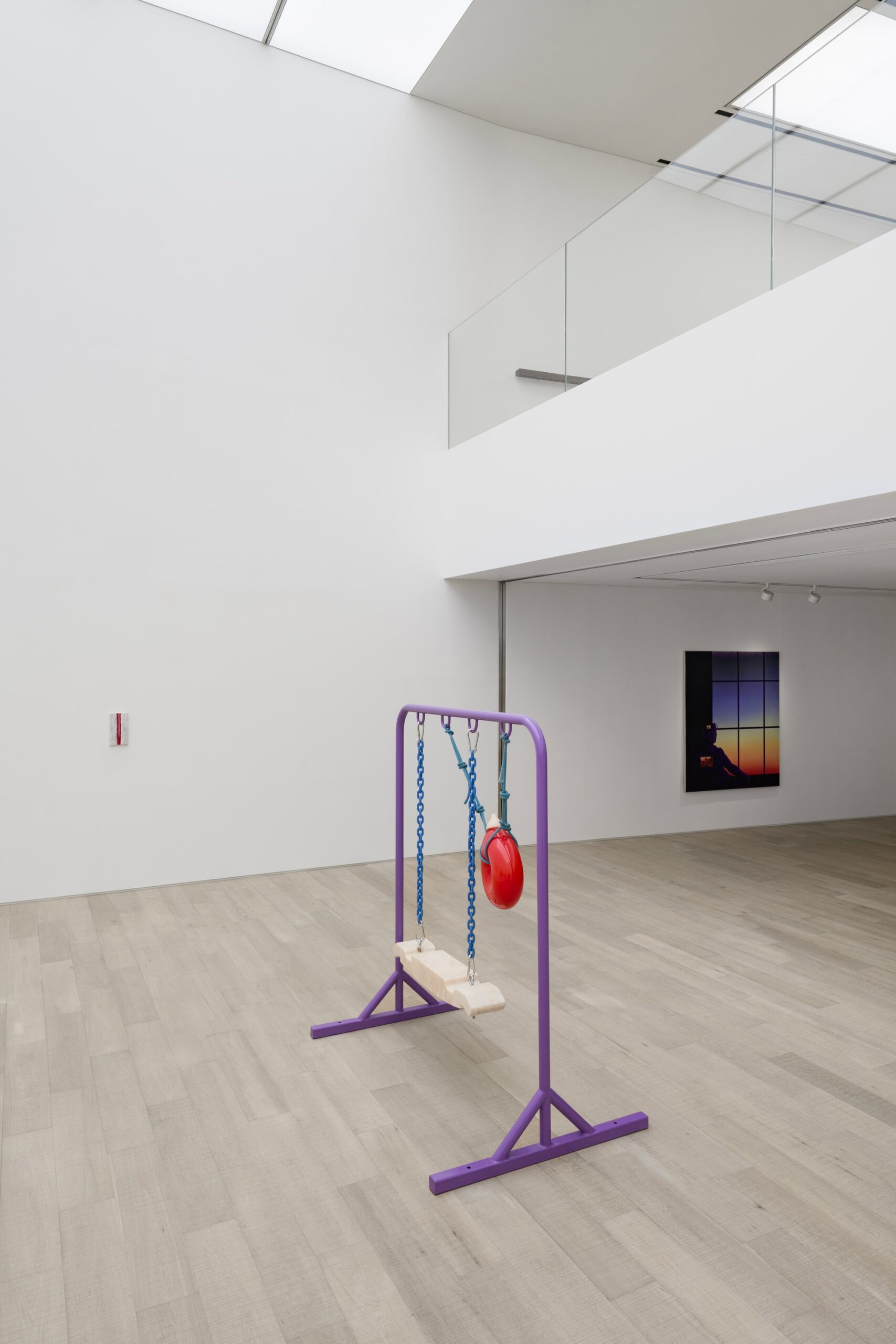
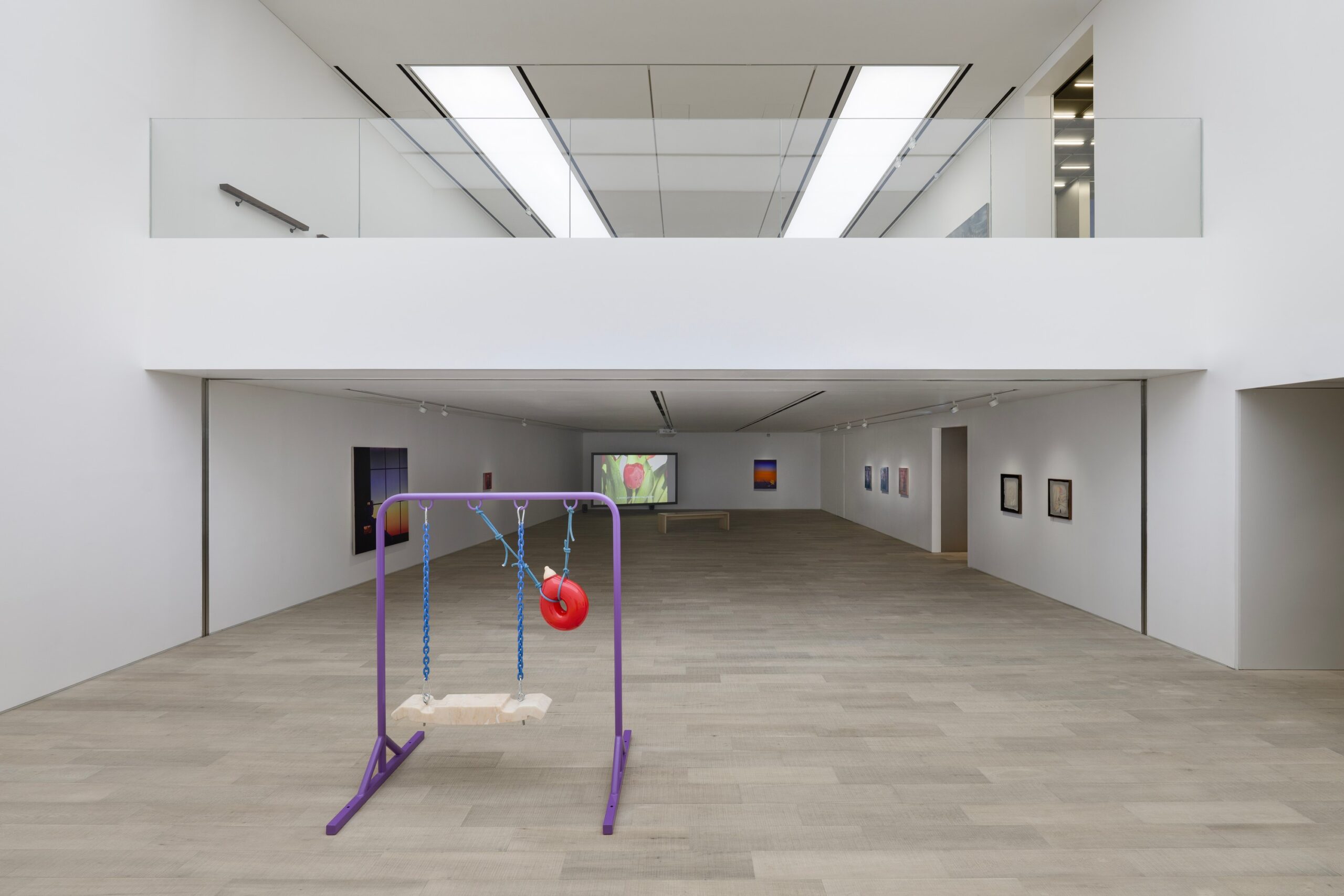
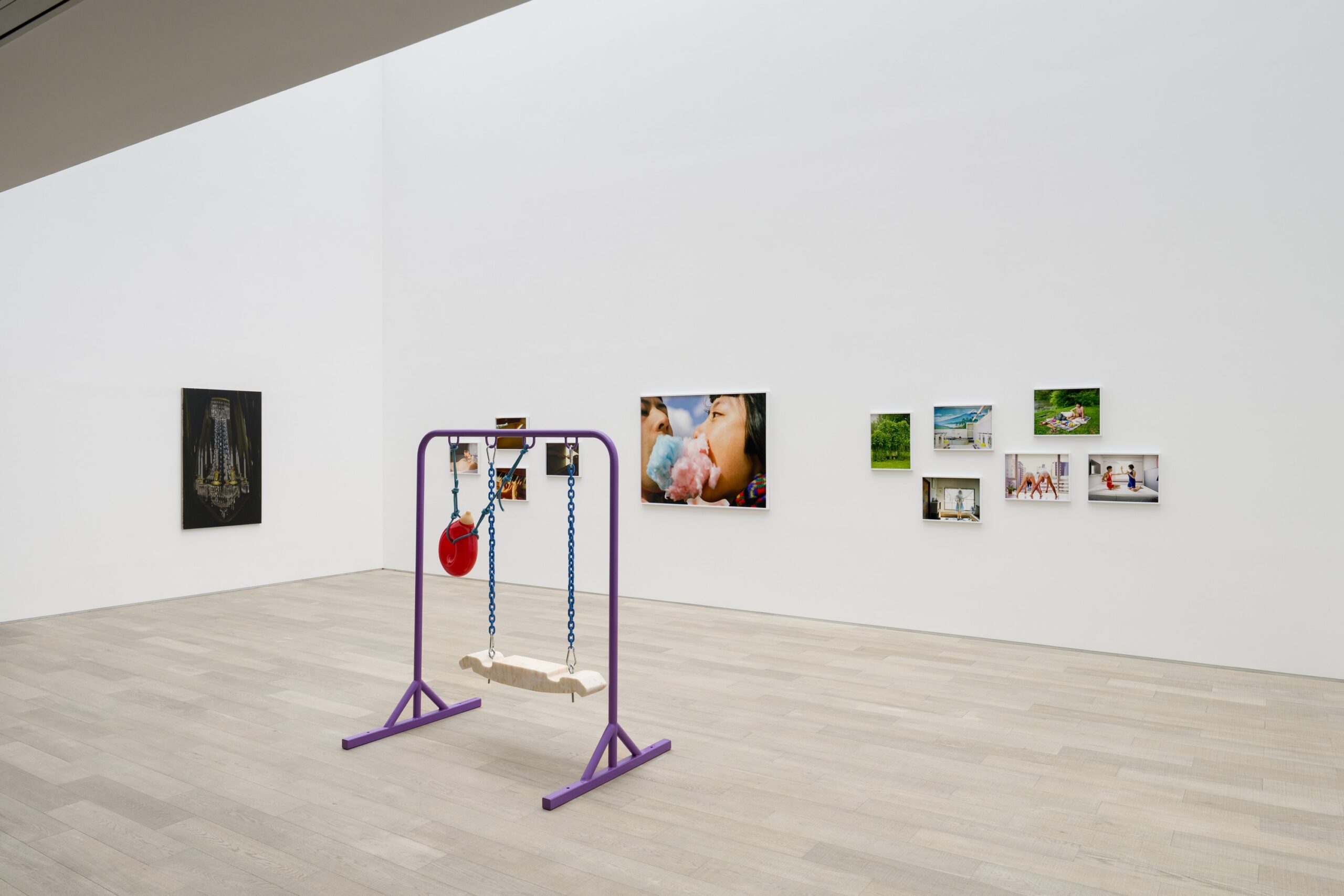
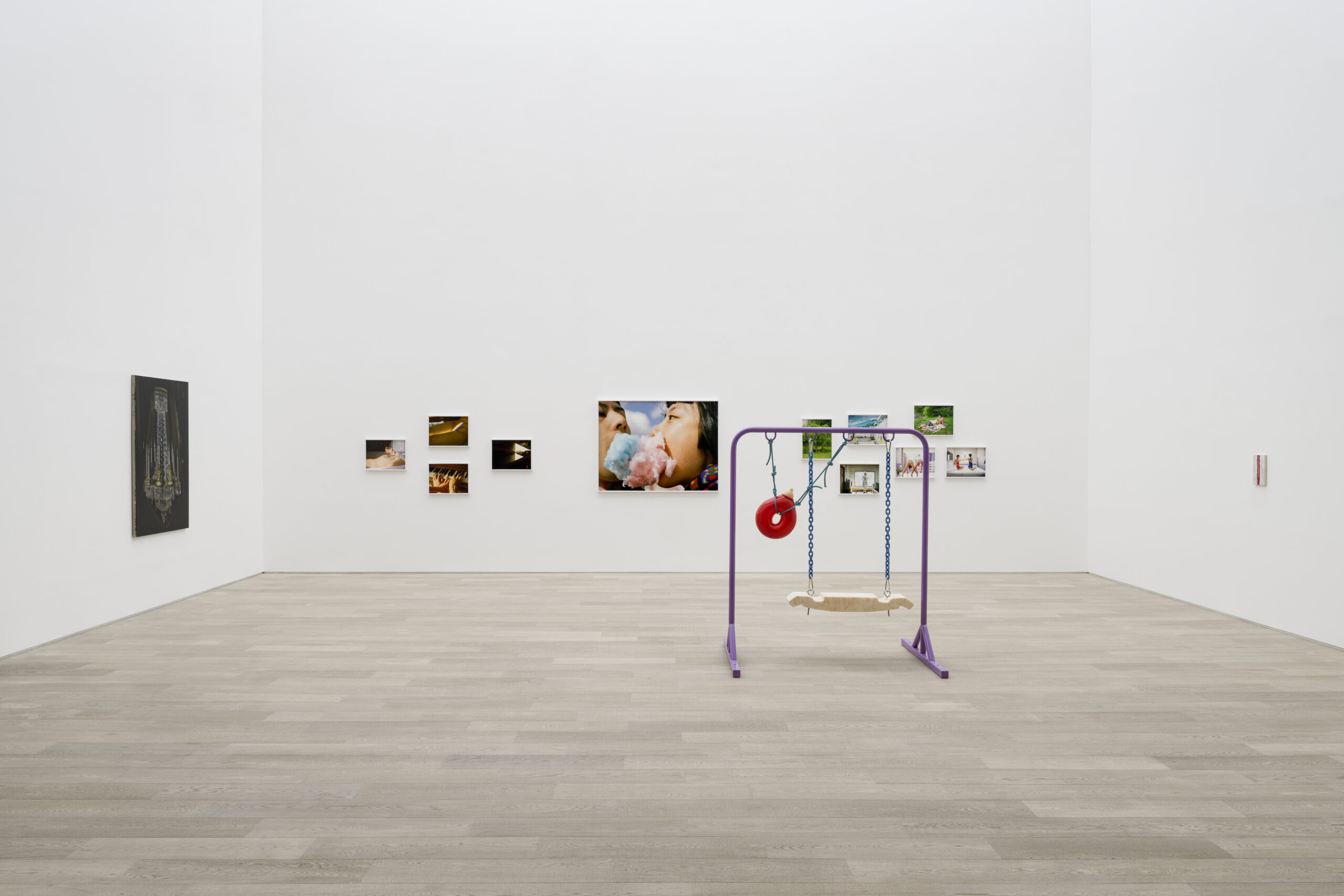
네빈 마무드의 조각 Swing Set은 익숙한 놀이터 구조물을 관능적인 혼성 형태로 변주하며 기억과 욕망 사이를 부유한다. 대리석과 유리의 매끈한 표면은 정제된 기하학적 형태에 신체적 연상을 불어넣으며 순수성과 에로티시즘의 경계를 흐린다. 웃음 가득했던 어린 시절의 자유로운 순간을 떠올리게 하는 마무드의 작품은 기존의 형태와 의미를 전복하며 성인의 관계에서 비롯되는 즐거움을 소환하는 동시에 우리 안의 ‘내면 아이’를 다시 환기 시킨다.
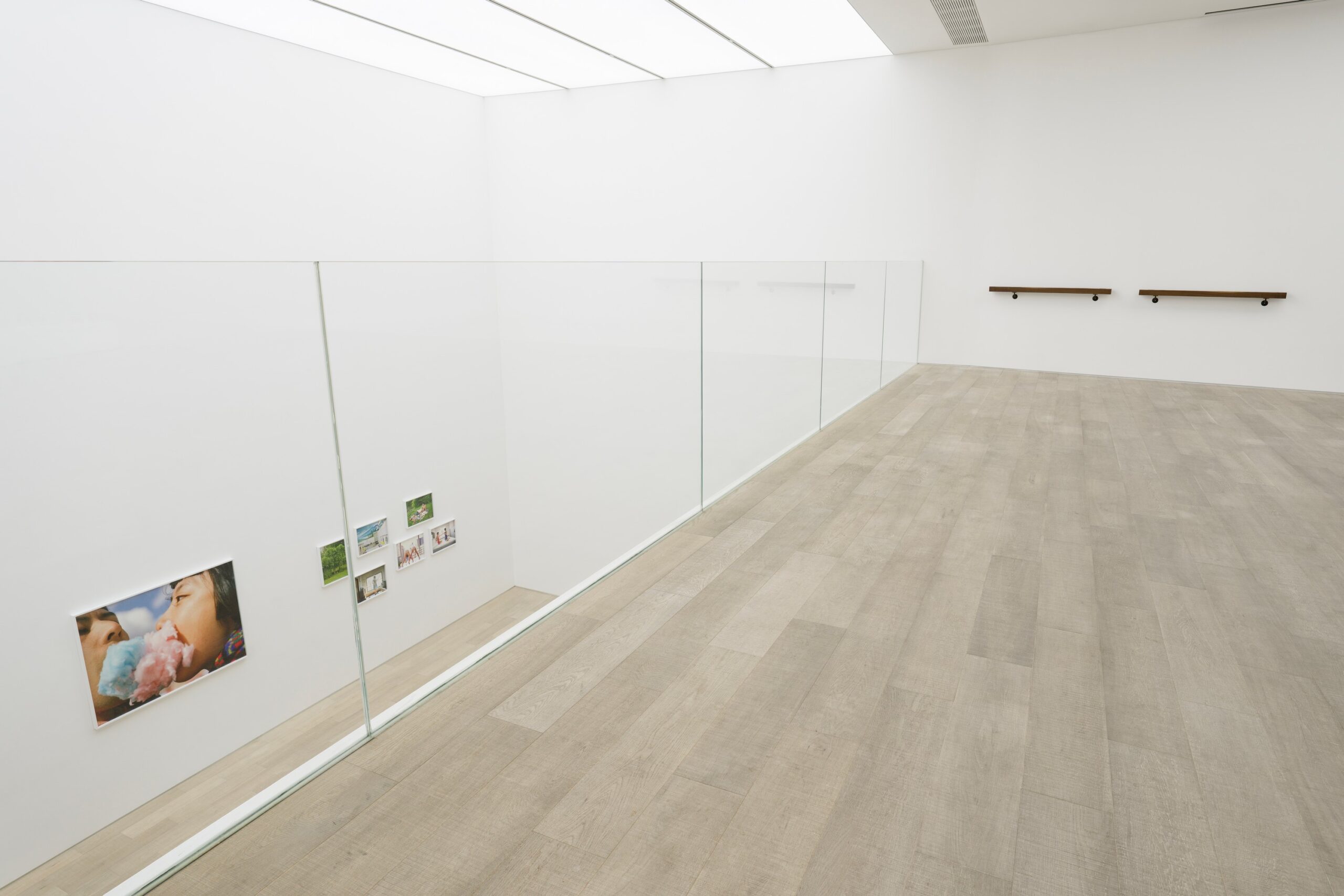
픽시 랴오의 사진 작업에서 정적인 순간은 관계의 밀도를 드러내는 친밀한 공간으로 확장된다. 파트너이자 협업자인 모로와 함께한 20년의 시간을 기록한 이미지들은 과장된 서사를 내세우지 않은 채 동반자적 관계의 깊이를 담아낸다. 함께 머무는 고요한 시간 속에서 편안함이 정서적 중심을 이루고, 침묵은 또 하나의 언어가 된다. 이 사진들은 친밀함이 어떤 행위가 아니라 ‘함께 존재함’에서 비롯될 수 있으며, 때로는 행동보다 존재 그 자체가 가장 깊은 친밀함을 품을 수 있음을 드러낸다.
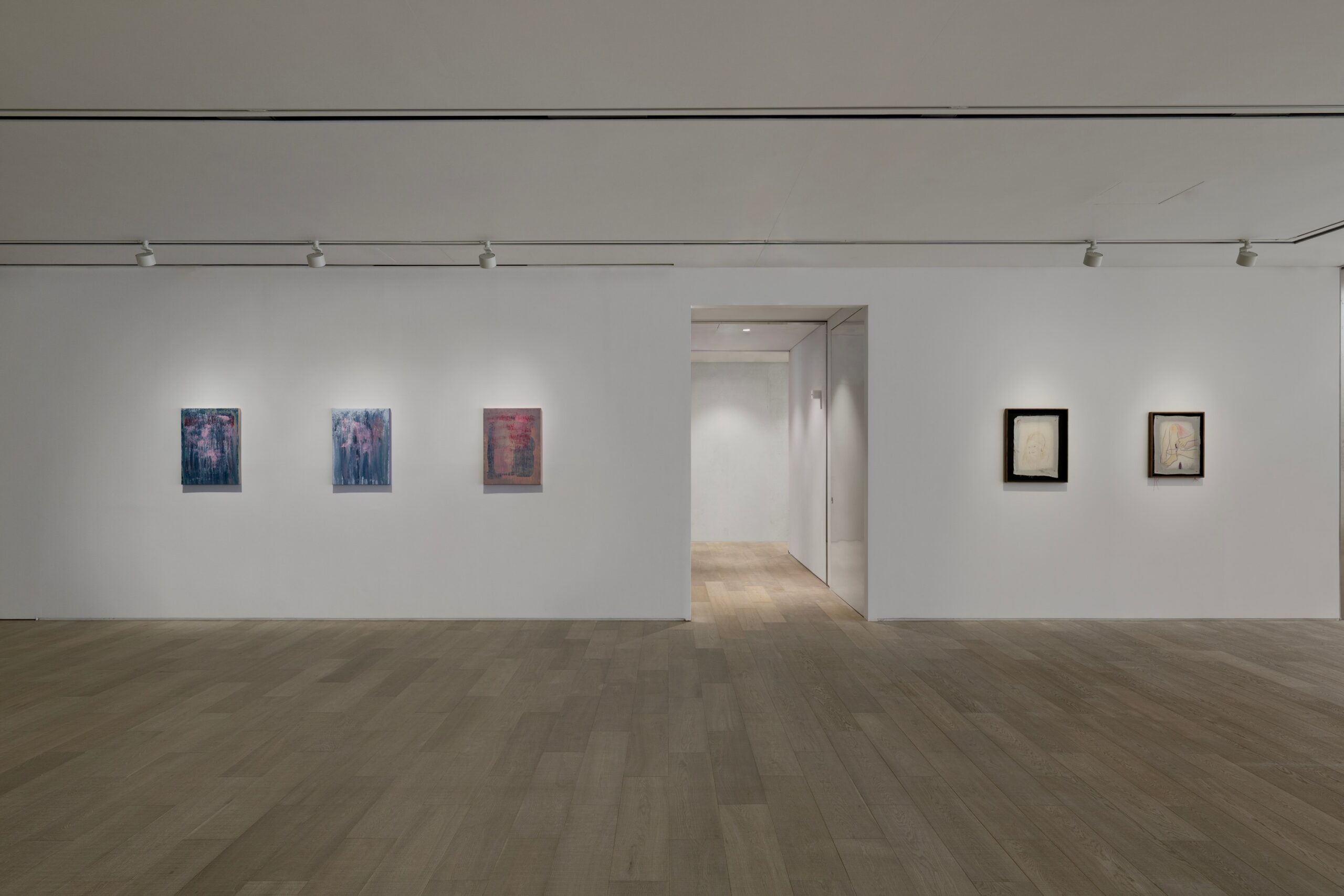
이러한 침잠과 사유의 정서는 히만 청의 회화 연작 Things That Remain Unwritten에서도 이어진다. 지치거나 영감을 기다리는 순간에 제작된 이 연작은 조용한 피난처로 기능한다. 침묵을 살아있는 진동의 장으로 본 존 케이지의 사유에서 영감을 받은 그의 캔버스는 행위가 감각으로 전환되는 장소가 되며, 기억과 즉흥 사이를 유영하는 사유의 풍경이 된다. 작가가 ‘다운타임 회화’라 부르는 이 작품들은 작가의 엄격한 개념적 실천 사이에서 드물게 나타나는 휴식의 순간들이다.
조니 네그론의 회화는 최근 로스앤젤레스 산불로 인해 개인적이면서도 집단적으로 경험된 멈춤의 시간 속에서 출발한다. 강제로 멈춰 선 시간은 사유의 계기가 되었고, 그의 작업은 혼란 속에서 균형과 회복을 발견하는 방식을 모색한다. 인물들은 의식과 무의식 사이에서 부유하거나, 서로를 거울처럼 반사하며 중첩되고, 아슬아슬하게 균형을 이루는 상태로 등장한다. 물은 혼란과 파괴에 대응하는 회복의 장소로 반복적으로 호출된다. 명상, 연금술, 타로에서 차용한 상징들을 통해 작가는 신체적·의식적으로 속도를 늦추는 경험이 이끄는 내적 변화와 회복의 가능성을 제안한다.
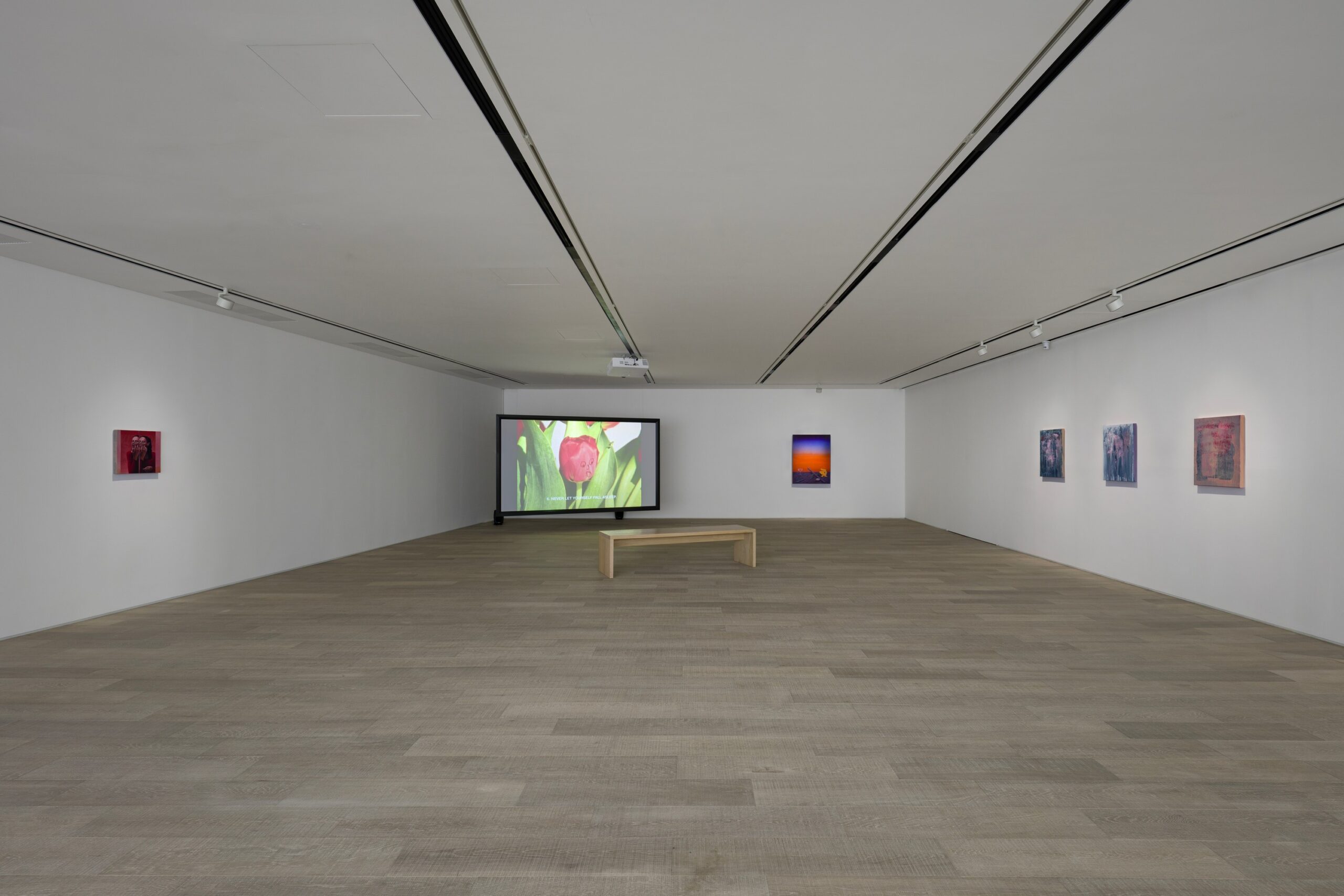
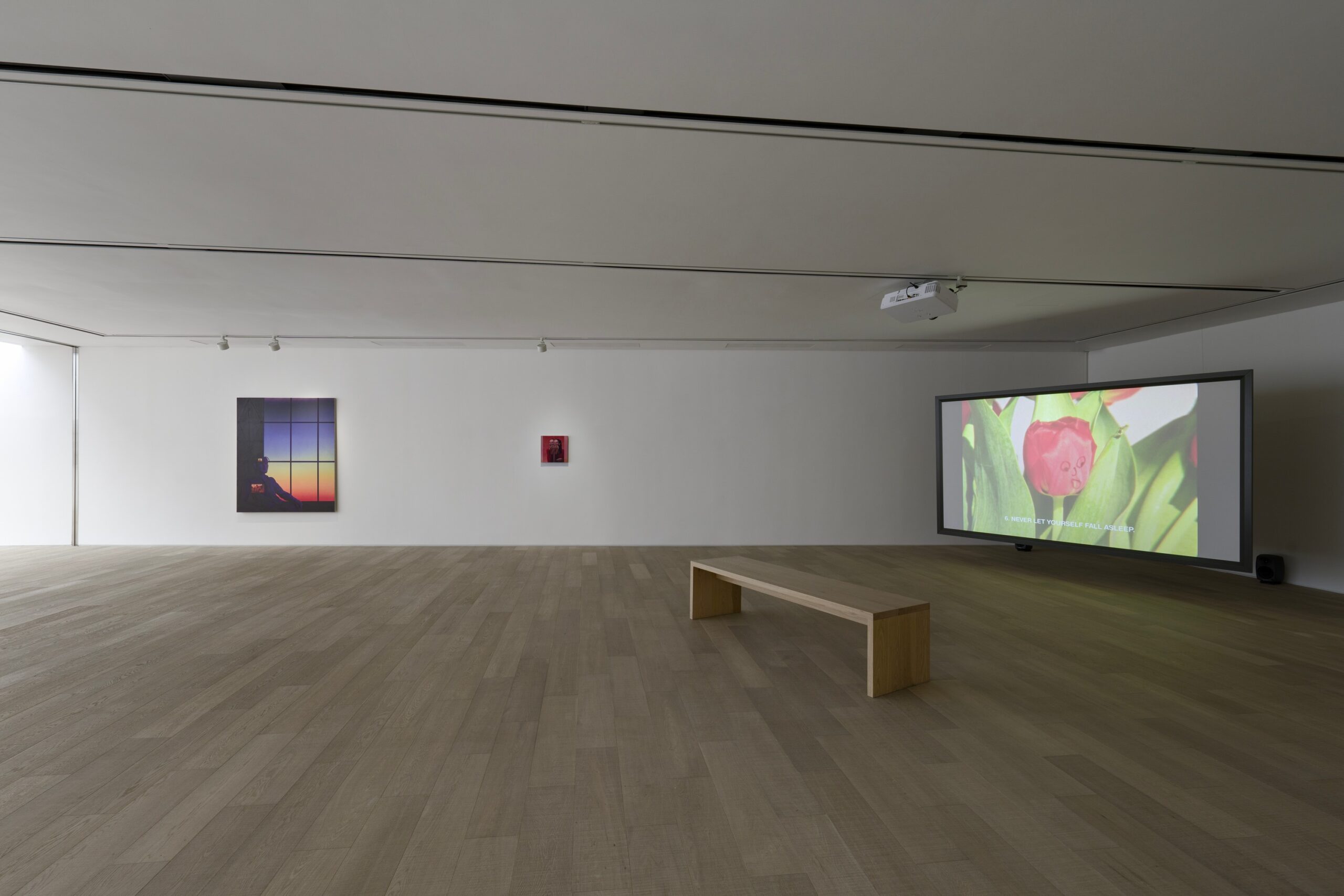
바심 마그디의 13 Essential Rules for Understanding the World는 이집트의 정치적 격변 이후 전개된 작업으로, 급격한 사회적·이념적 변화로 인해 기존에 믿어왔던 가치와 집단적 서사의 취약함이 드러나던 시기에 전개되었다. 일련의 지침처럼 구성된 이 작품은 유머와 철학적 성찰을 결합해, 개인들이 불안정한 현실에 질서를 부여하려는 시도를 비판적으로 질문한다. 이번 전시에서 마그디의 영상은 부드러운 풍자이자 고요한 명상으로 공명하며 모순을 서둘러 해결하려는 충동을 잠시 멈추고, 경직된 결론이 아닌 모호함 속에 머무르며 천천히 사유할 수 있도록 관객을 이끈다. 영상 속 내레이터는 “삶은 예기치 못한 사건들이 뒤엉킨 복잡한 그물망이다”라고 우리에게 환기시킨다.
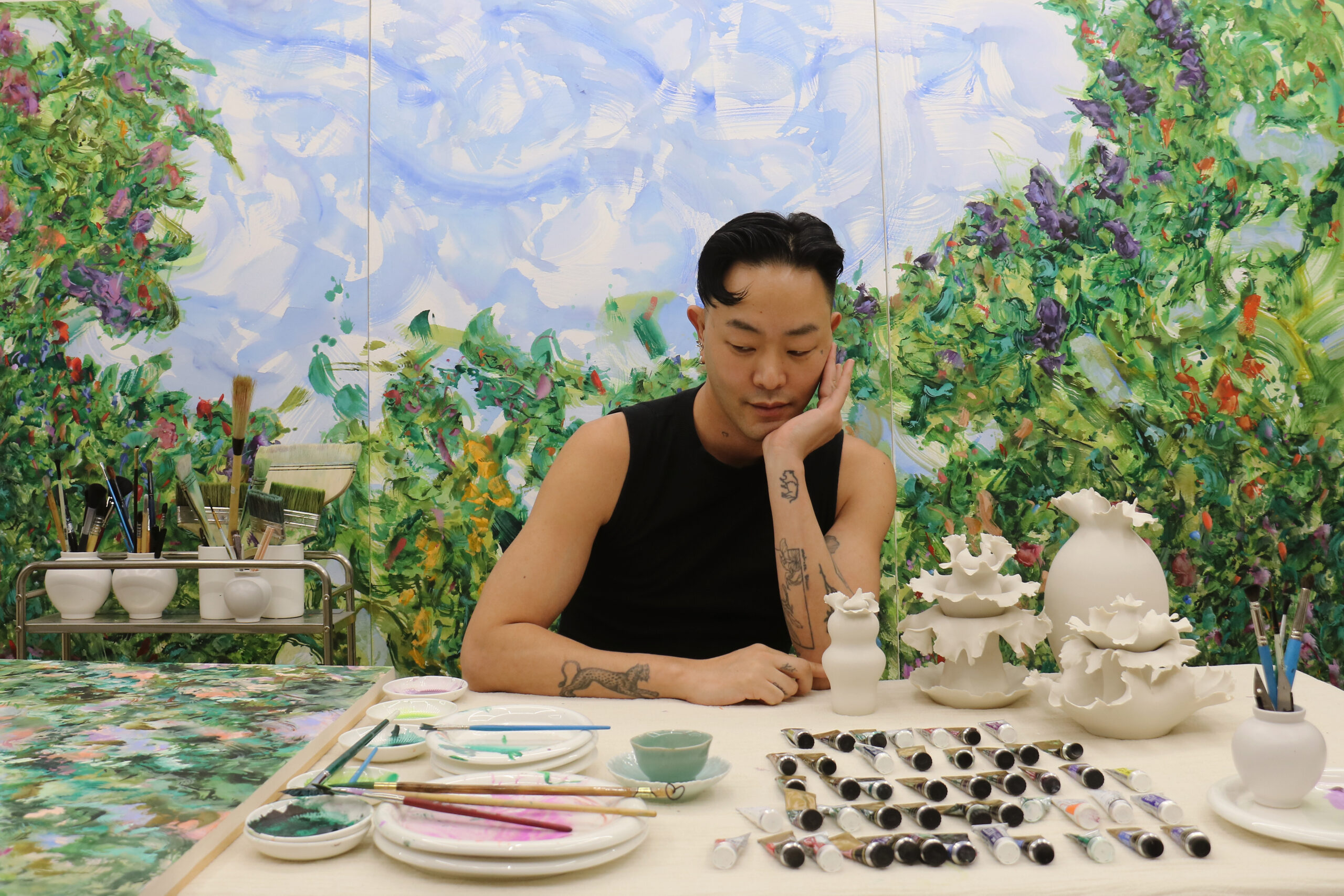
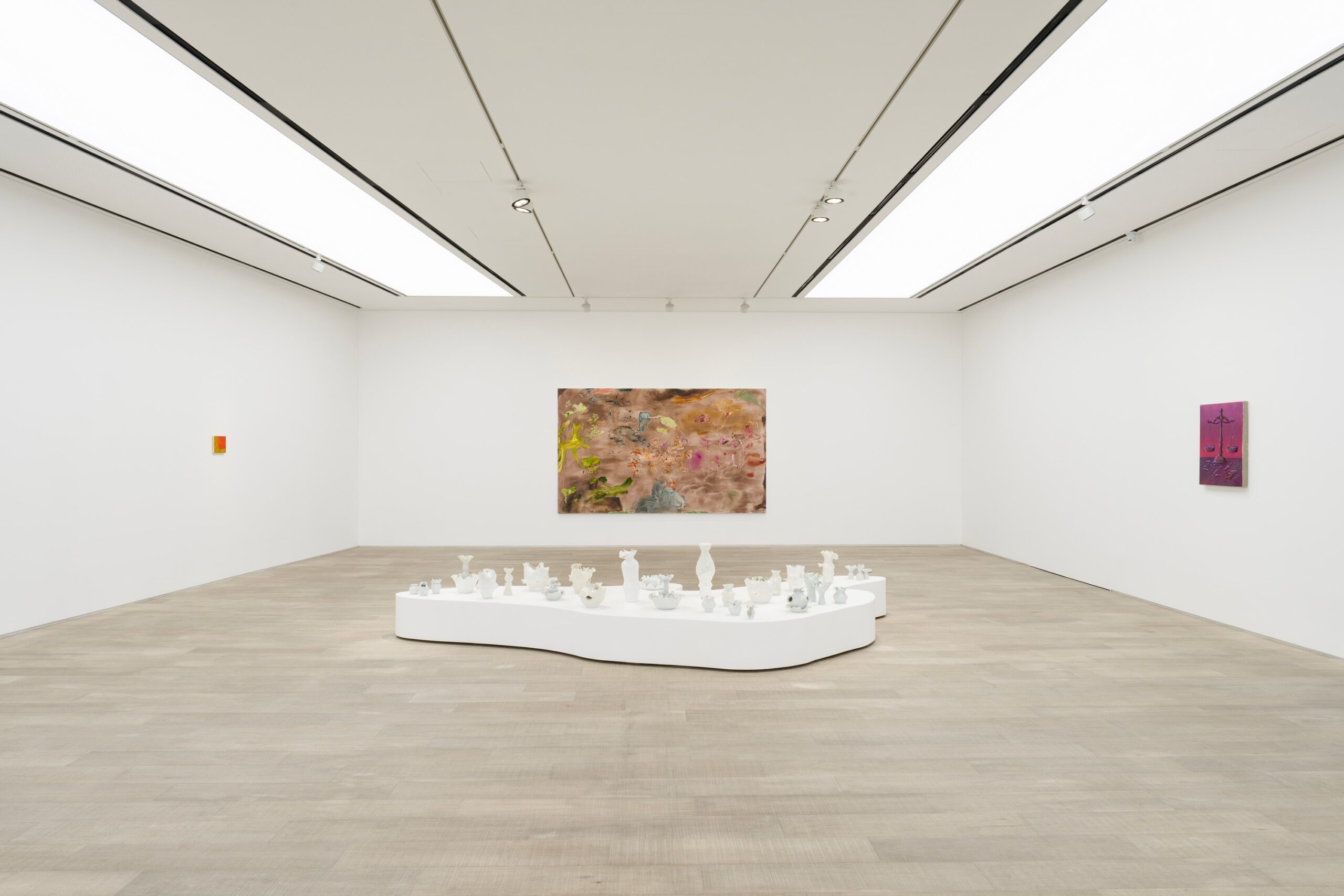
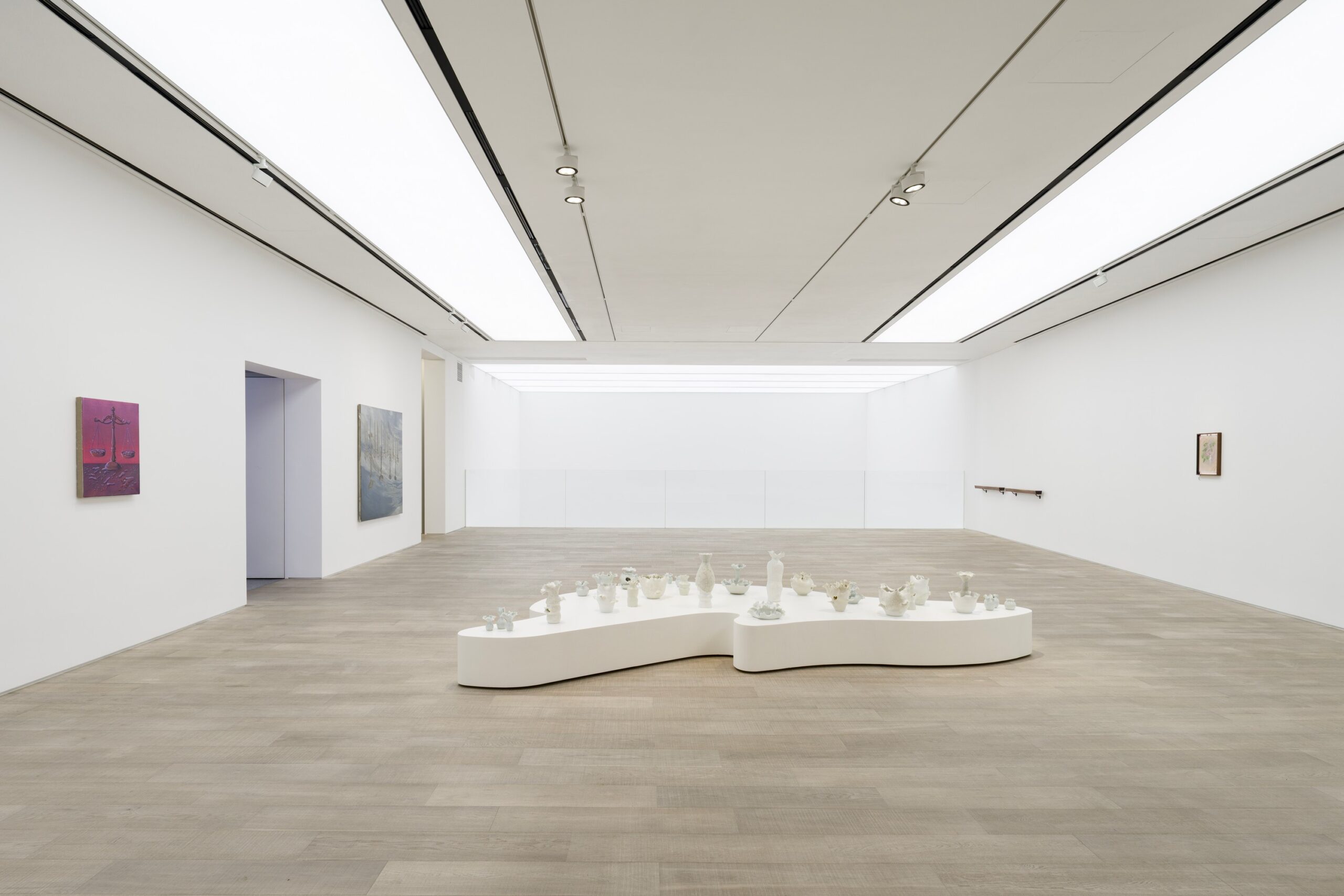
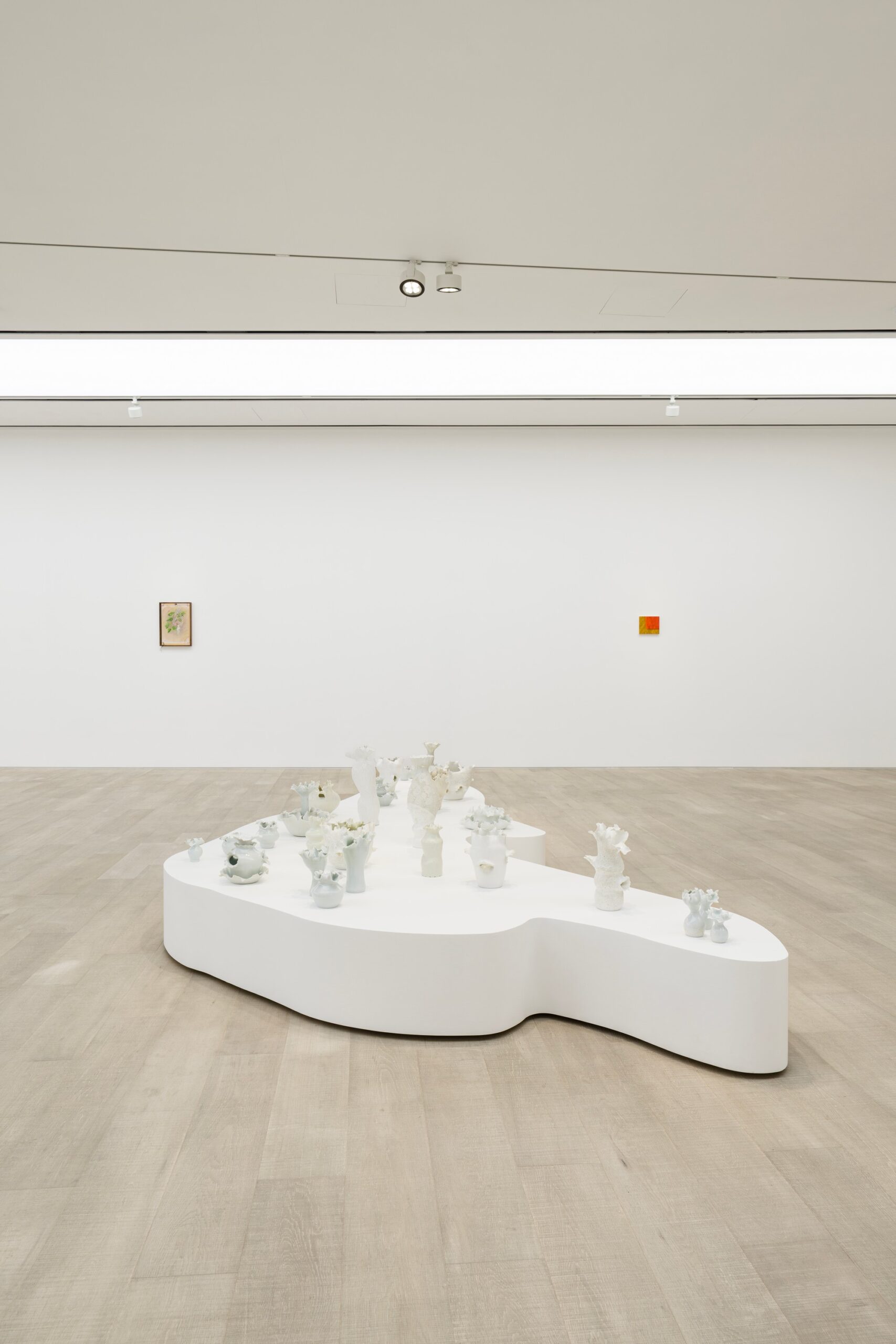
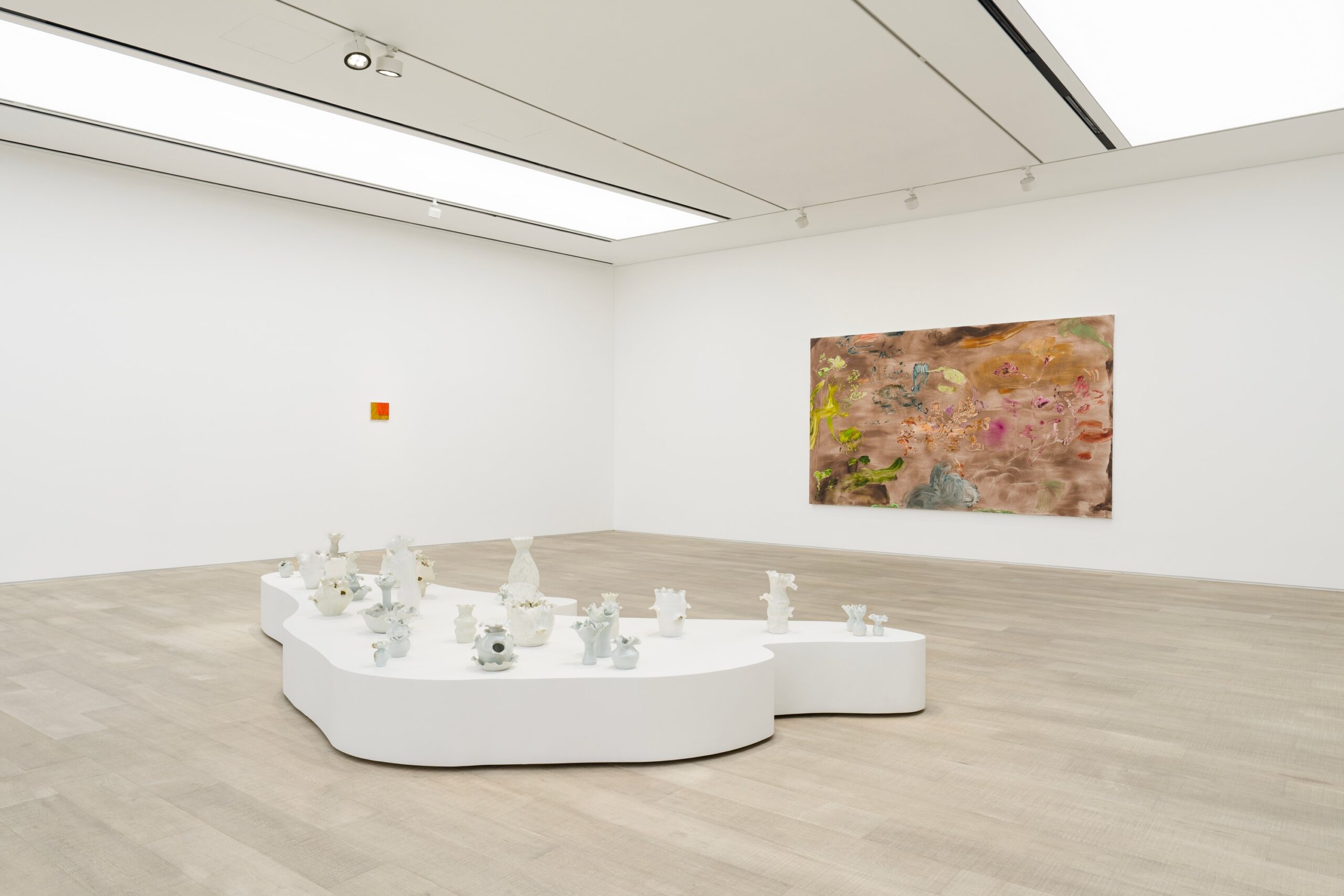
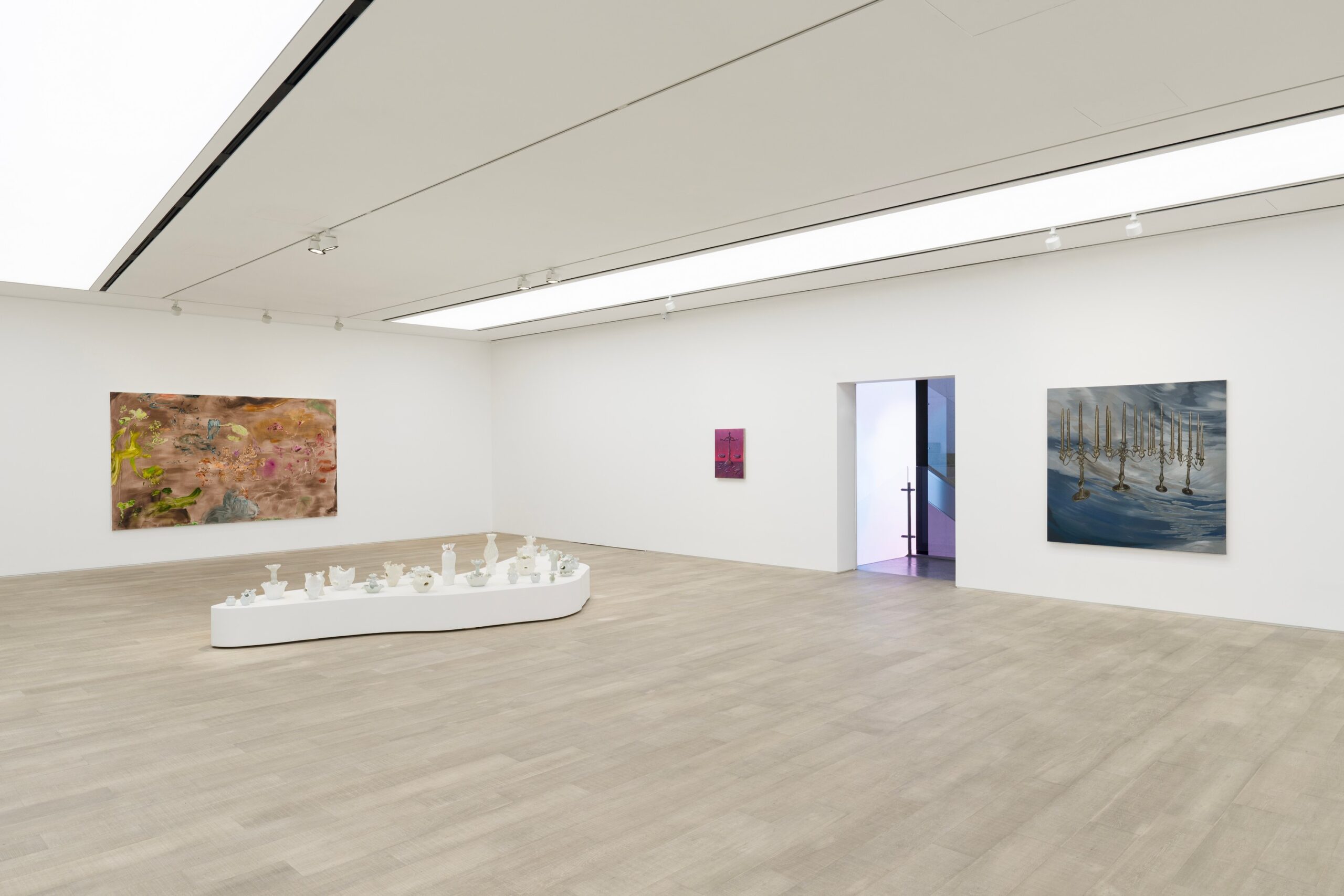
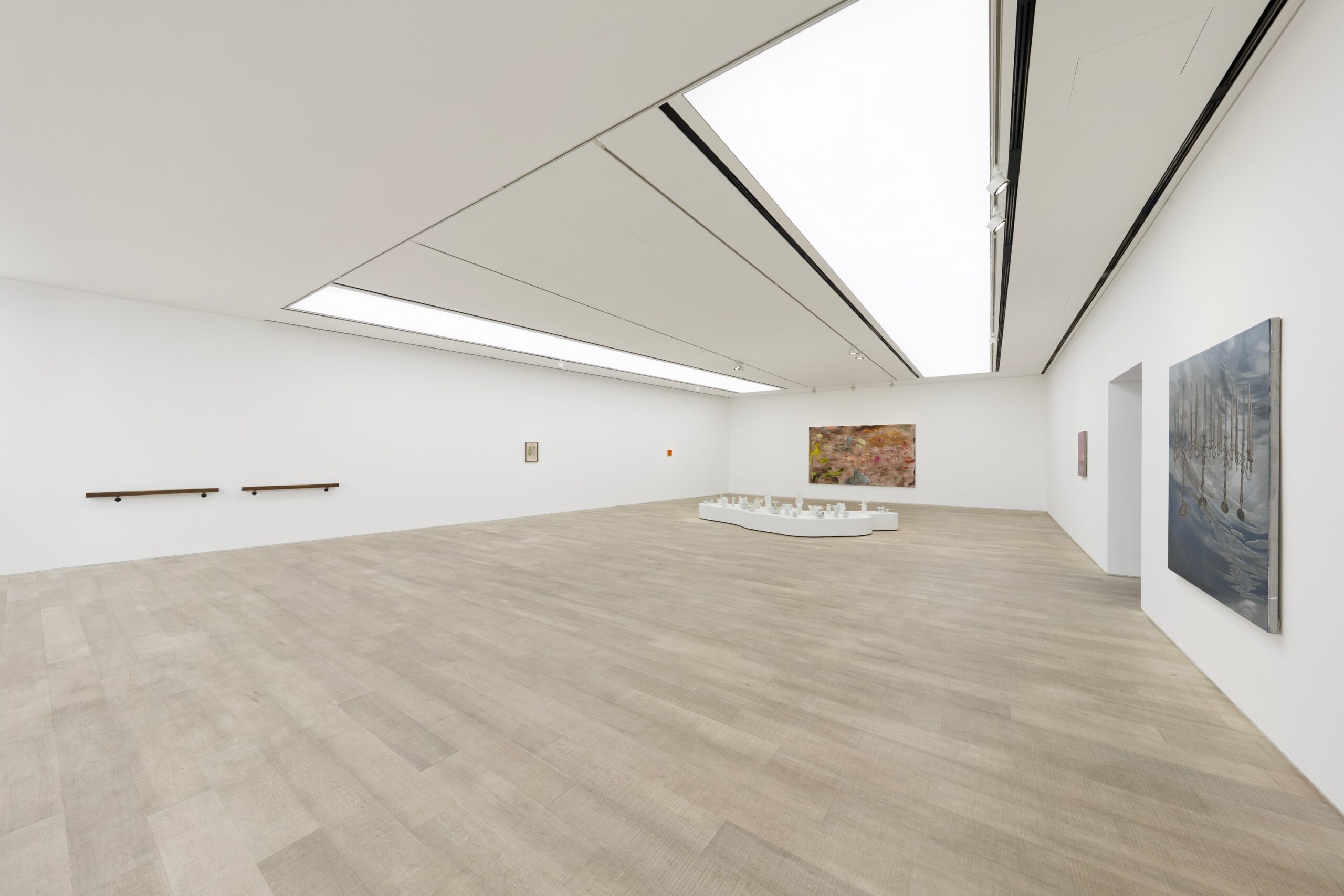
세 오의 세라믹 설치 작업 Plant a Garden and Watch It Grow는 인내와 성장에 대한 명상으로 이끈다. 수년에 걸쳐 집중해 온 세라믹 작업들로 구성된 세 오의 정원은 변화와 성장의 과정을 영속적인 형상 속에 머물게 한다. 한국의 전통 도자의 언어를 재해석한 각각의 작품은 개인의 기억을 축적하며, 전체로서 순환하는 자연의 풍경을 이룬다. 멈춘 듯 보이는 이 정원은, 오랜 시간 속에서 드러나는 고요한 변화와 회복력에 대해 말한다.
세 오의 작업 맞은편에 배치된 파트리시아 이글레시아스 페코의 회화 Hibiscos Abajo De La Tierra는 상상 속 식물 형상들이 피어나고 뒤틀리며 해체되는 끊임없는 변형 속에서 자연의 요동치는 생명력을 불러내며, 섬세한 긴장 속에서 움직임과 정지의 순간을 함께 붙잡아 둔다.
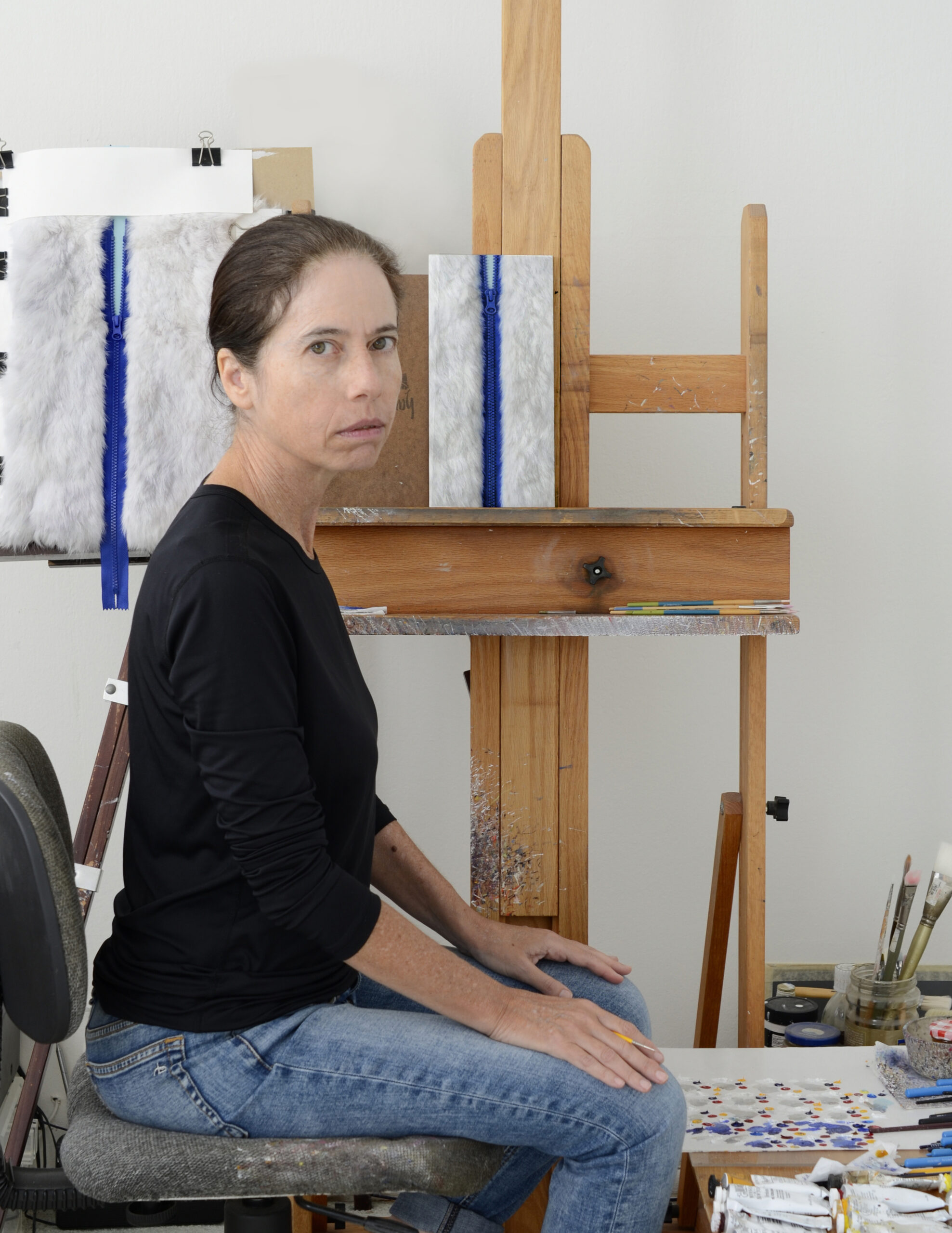
빅토리아 기트만의 회화는 바라본다는 행위 자체를 하나의 시간적 경험으로 제안한다. 동물 털이나 지퍼와 같이 다양한 표면이 지닌, 고유하고 미묘한 텍스처를 탐구하는 작가는 수개월에 걸친 면밀한 관찰을 통해 화면의 표면을 천천히 구축해 나간다. 대상과의 느리고 친밀한 몰입은 관객의 시선 속에서도 다시 반복된다. 기트만의 회화에서 시간은 거의 물질처럼—소모되고, 늘어나며, 응축되고, 머무는 것으로—존재하며, 감상의 행위를 지속과 현존에 대한 고요한 명상으로 전환시킨다.
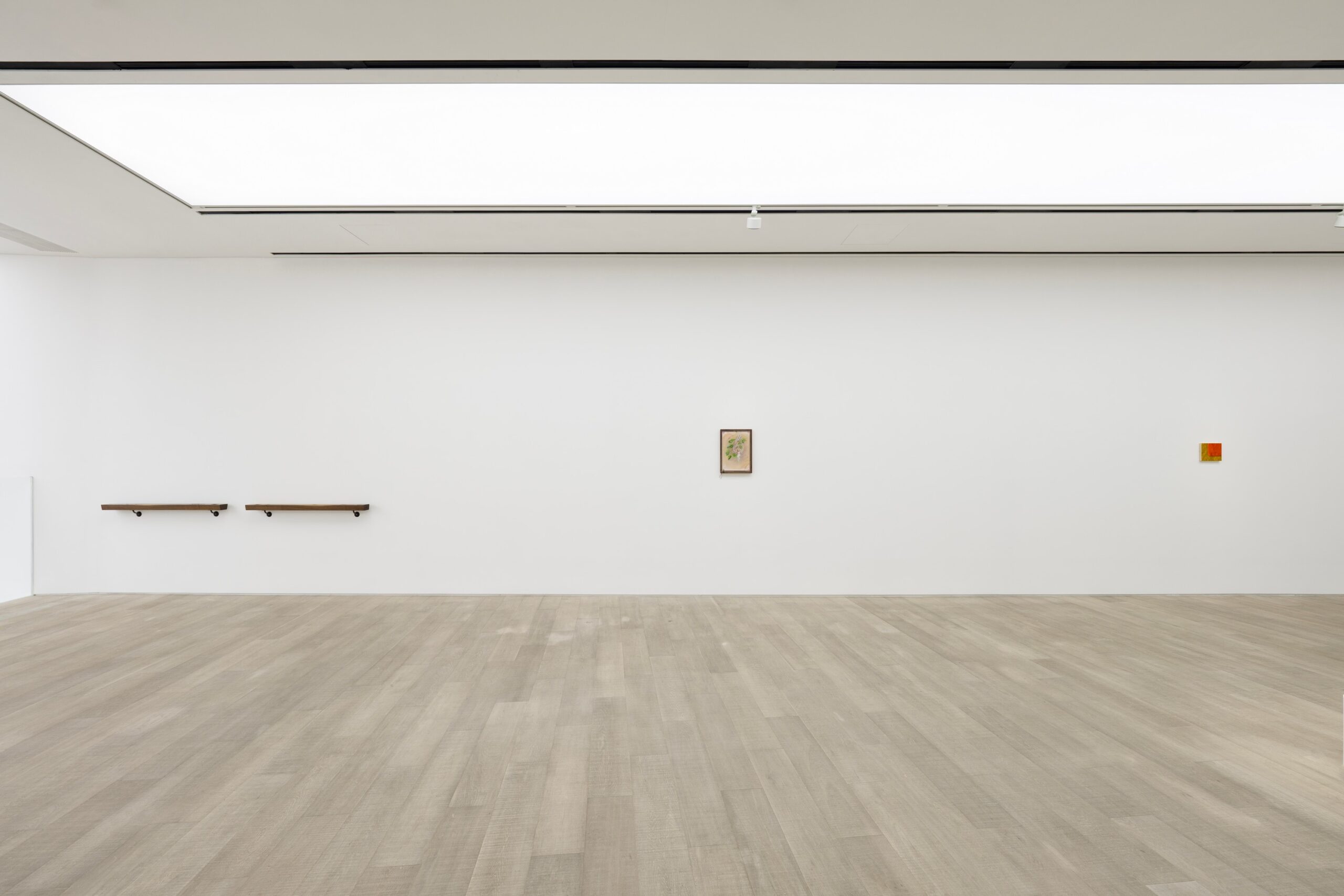
엠 케트너는 접근성을 둘러싼 사회적 현상과 시적 상상을 결합한 두 설치 작업 The Cosmic Joke와 The Birth of a Comedian을 통해 감각의 속도를 늦춘다. 작가는 자신의 이동 보조 기구 사용 경험에서 출발해, 난간과 경사로와 같은 기능적 구조물을 관객의 참여와 상호작용을 이끄는 서사적 환경으로 전환한다. 가정 공간의 건축적 요소와 연관된 재료인 월넛과 유약 처리된 세라믹 타일을 결합한 그녀의 난간 작업에는, 상상 속 계단을 오르내리며 마주치듯 펼쳐지는 이야기 장면들이 곳곳에 삽입되어 있다. 관객은 이 작은 비네트들을 발견하기 위해 속도를 늦추고 몸을 기울여야 한다. 그 안에는 실존적 위협과 함께 유머와 연대가 공존하며, 봉헌적 전통을 연상시키는 동시에 동시대적 불안을 환기한다. 흔히 간과되어 온 구조물에 신체적·서사적으로 의지하도록 유도함으로써, 케트너는 접근성을 단순한 보조 장치가 아닌 유희적이고 집단적인 상호 지지의 구조로 재구성한다.
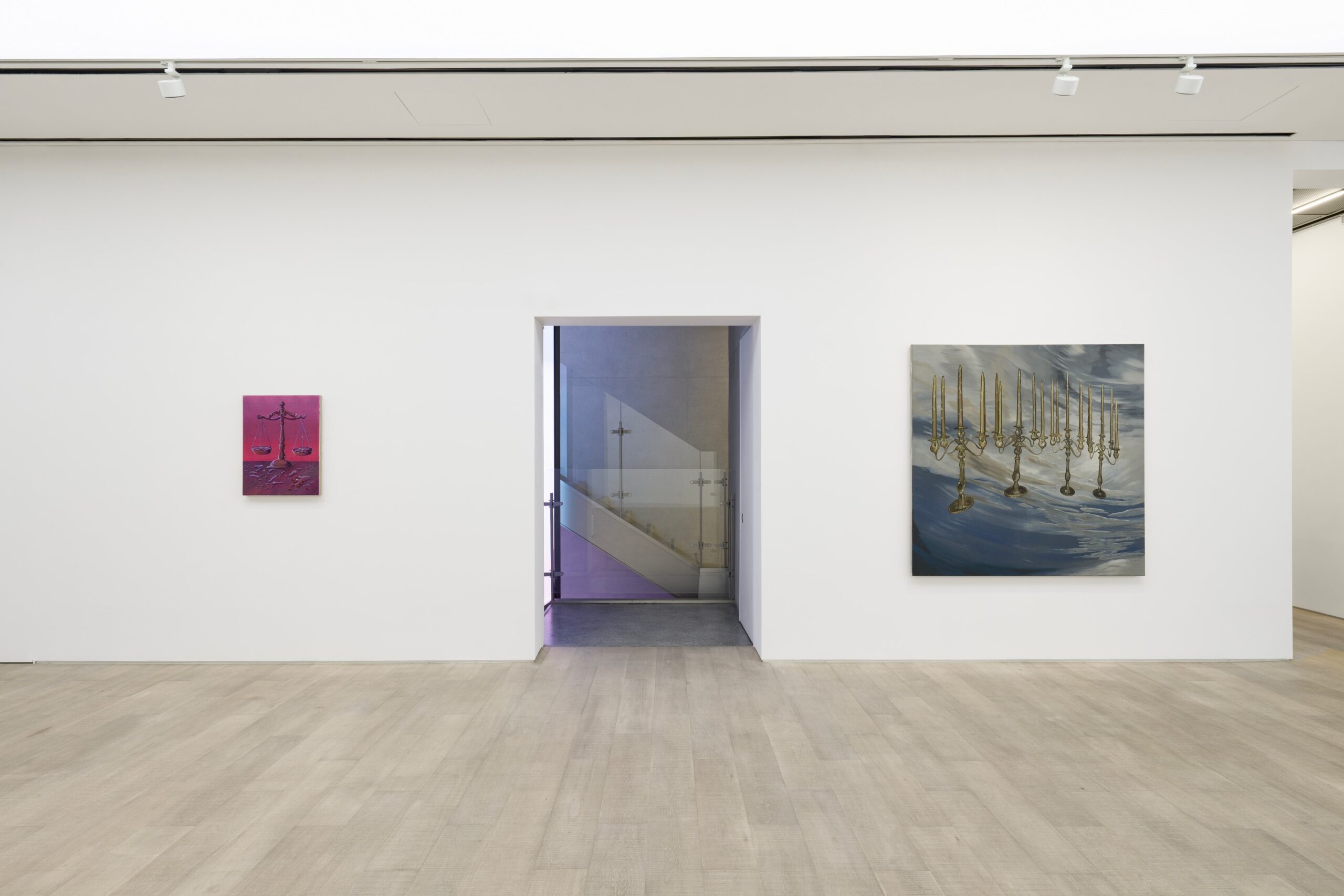
레이 클라인의 화면 속 샹들리에와 촛대는 가정의 장식물이 마치 살아 움직이는 존재처럼 느껴질 만큼의 긴장된 분위기를 만들어내며, 보호와 위협 사이를 오간다. 빛은 신호이자 보호의 표식으로 기능하며, 종교적 분위기와 영적인 교감의 신비로움을 환기한다. 이는 이성을 넘어 보이지 않는 힘을 구하고자 하는 인간의 욕망을 반영한다. 이 작품들은 흔들리는 감정 상태에 머물며 안전과 두려움, 꿈과 현실의 연약한 경계를 포착하고, 궁극적으로 존재의 덧없고 위태로운 본질을 성찰하게 한다.
아침 김조은의 작업은 시간과 기억에 대한 이번 전시의 사유를 한층 확장하며, 각각의 회화는 바쁜 움직임이 멈춘 자리에서 감정의 연약함이나 성찰, 혹은 미묘한 감각의 흔들림으로 전환되는 통로가 된다. 그녀의 회화는 자신을 돌보는 행위, 고치고 잇는 일, 모으고 함께하는 행위, 보살피기와 같이 느리고 반복적인 몸의 움직임을 번역하듯 화면에 담아내며, 일상적이고 지속적인 행동을 통해 친밀함과 회복력이 서서히 형성되는 과정을 드러낸다. 아침 김조은의 실천은 일상 속에서 이어지는 섬세한 정서적·문화적 유대에 주목하며, 사소해 보이는 몸짓들이 얼마나 깊은 사회적·개인적 의미를 품을 수 있는지를 보여준다.
《Dolce Far Niente》는 무위(無爲)를 단순한 도피가 아닌 조용한 주체성의 한 형태로 바라본다. 속도를 늦추는 일은 하나의 의도적인 행위가 되며, 시간과 인식, 그리고 내면의 공간을 되찾는 실천이 된다. 이 작품들 속에서 정지는 무기력한 상태가 아니라, 잠재력을 품은 감각적 경험으로서 조용히 변화를 일으키는 힘으로 작동한다.
눈에 보이는 성취와 생산성이 곧 가치의 기준으로 여겨지는 오늘, 이번 전시는 관객이 잠시 멈추어 목적과 의미에 대한 감각을 다시 사유하도록 초대한다. 긴박함에 대한 부드러운 대안을 제시하며 쉼과 멈춤, 아무것도 하지 않음이 행동의 실패가 아니라 성찰과 돌봄, 그리고 존재를 위해 필수적인 조건임을 말한다. 서두르지 않는 응시와 관심이 공유되는 이 공간에서, 《Dolce Far Niente》는 멈춤이 삶으로부터의 도피가 아니라 삶의 본질적인 일부임을 상기시키며 아무것도 하지 않을 때 우리는 때로 모든 것을 마주하게 된다는 사실을 일깨운다
-이리나 스타크, 큐레이터
Dolce Far Niente is a group exhibition that unfolds around the quiet radicality of idleness. Borrowing its title from the Italian notion of “the sweetness of doing nothing,” the exhibition proposes stillness not as absence or inactivity, but as a state of heightened presence–one that resists the relentless demands of productivity, speed, and optimization that define contemporary life.
Across painting, photography, sculpture, film, and installation, the participating artists attend to moments that often pass unnoticed: pauses between actions, unstructured time, the softness of daydreaming, and the intimacy of shared silence. Sunlit interiors, suspended gestures, and unhurried routines emerge as sites of reflection rather than spectacle. The works neither seek to impress nor instruct; instead, they linger, allowing meaning to surface gradually through attention and duration.
Nevine Mahmoud’s sculpture Swing Set hovers between memory and desire, transforming a familiar playground structure into a sensuous hybrid form. Smooth marble and glass surfaces introduce bodily associations into otherwise clinical geometries, subtly blurring innocence and eroticism. On one hand, viewers are reminded of carefree childhood days filled with laughter; on the other, Mahmoud subverts these forms and meanings, bringing forward the pleasures of adult relationships while inviting us to continue cherishing our inner child.
In Pixy Liao’s photographs, stillness takes on an intimate dimension. Documenting two decades of partnership with her collaborator Moro, the images celebrate companionship stripped of spectacle. The quiet comfort of doing nothing together becomes the emotional core; silence itself becomes language. These photographs embody the exhibition’s central proposition: that presence, rather than action, often holds the deepest intimacy.
A related sense of withdrawal and introspection appears in Heman Chong’s ongoing series Things That Remain Unwritten. Created in moments of exhaustion or waiting for inspiration, these paintings function as quiet sanctuaries. Inspired by John Cage’s understanding of silence as a field alive with subtle vibrations, Chong’s canvases become spaces where making gives way to pure sensation and the mind drifts between memory and improvisation. They are, as the artist suggests, “downtime paintings,” rare pauses within a practice often marked by conceptual rigor.
Jonny Negron’s paintings emerged from collective and personal pauses prompted by recent wildfires in Los Angeles. Forced stillness gave rise to reflection, and Negron’s works explore how equilibrium might be found within disruption. Figures appear suspended, mirrored, or balanced between subconscious and conscious states, while water recurs as a site of restoration countering destruction. Through symbols drawn from meditation, alchemy, and tarot, Negron suggests that slowing down allows inner transformation and renewal to occur.
Basim Magdy’s 13 Essential Rules for Understanding the World unfolded in the aftermath of political upheaval in Egypt, when rapid social and ideological shifts exposed the fragility of certainty and collective narratives. Framed as a set of guiding principles, the work blends humor and philosophical reflection to question how individuals attempt to impose order on unstable realities. Within Dolce Far Niente, the piece resonates as both gentle satire and quiet meditation, encouraging viewers to suspend the urgency to resolve contradictions and instead dwell in ambiguity, where understanding unfolds slowly rather than through rigid conclusions. “Life,” the narrator reminds us, “is a tangled web of unexpected events.”
Se Oh’s high-fire porcelain installation Plant a Garden and Watch It Grow offers a meditation on patience and gradual becoming. Their garden, composed of vessels shaped through years of dedication to clay, suspends growth in permanent form. Drawing from traditional Korean ceramic language, each piece marks a personal moment while collectively echoing nature’s cycles. The garden appears motionless, yet speaks of incremental change and resilience–growth visible only over time.
Presented across from Oh’s installation, Patricia Iglesias Peco’s painting Hibiscos Abajo De La Tierra channels the restless vitality of nature, where imagined vegetal forms twist, bloom, and dissolve in continuous transformation, holding motion and stillness in delicate tension.
Victoria Gitman’s paintings foreground the act of looking itself as a temporal experience. Working from direct observation, she studies the singular nuances of diverse sensory textures such as animal fur and zippers, developing surfaces through months of sustained attention. This slowed, intimate engagement with her subject is mirrored in the viewer’s prolonged encounter with the works. In Gitman’s paintings, time becomes almost material–spent, stretched, condensed, and inhabited–turning the act of viewing into a quiet meditation on duration and presence.
Em Kettner’s sculptural installations The Cosmic Joke and The Birth of a Comedian approach slowness through the politics and poetics of accessibility. Drawing from her own reliance on mobility aids, she transforms functional elements such as railings and ramps into whimsical narrative environments that invite interaction and care. Combining walnut and porcelain tiles—materials tied to domestic permanence—her handrails embed miniature glazed scenes that unfold like stories encountered while ascending or descending an imaginary staircase. Visitors must slow down and lean in to discover these vignettes, where humor and companionship coexist with looming existential threats, echoing votive traditions while acknowledging contemporary anxieties. By encouraging viewers to physically and narratively rely on these often-overlooked structures, Kettner reimagines accessibility not as mere accommodation but as a playful, collective system of mutual support.
Rae Klein’s chandeliers and candelabra introduce a charged tension in which domestic ornament seems almost animate, oscillating between protection and threat. Light functions both as signal and sentinel, evoking devotional presence and the mysticism of the séance spirituelle–a desire to reach beyond reason and seek guidance from unseen forces. These works linger in transitional emotional states, capturing the fragile threshold between safety and fear, dream and waking life, ultimately reflecting on the fleeting, precarious nature of existence.
Joeun Kim Aatchim’s works further expand the exhibition’s meditation on time and memory, each painting offering a pathway into moments where activity gives way to reflection, tenderness, or subtle disorientation. Her paintings translate acts that unfold slowly and repetitively–self-care, mending, gathering, or tending–allowing viewers to recognize how intimacy and resilience are built through ordinary, sustained actions. In doing so, Aatchim’s practice draws attention to the subtle emotional and cultural bonds that persist within daily life, revealing how seemingly small gestures can hold profound social and personal significance.
Rather than framing idleness as escapism, Dolce Far Niente considers it a form of quiet agency. To slow down becomes an intentional act–a reclaiming of time, perception, and inner space. In these works, stillness is not inert; it is fertile, sensorial, and quietly transformative.
At a moment when value is so often measured by output and visibility, the exhibition invites viewers to recalibrate their sense of purpose. It offers a gentle counterpoint to urgency, suggesting that rest, pause, and doing nothing are not failures of action but essential conditions for reflection, care, and being. In this shared space of unhurried attention, Dolce Far Niente reminds us that pause is not an escape from life but an essential part of it–and that in doing nothing, we sometimes encounter everything.
-Irina Stark, Curator